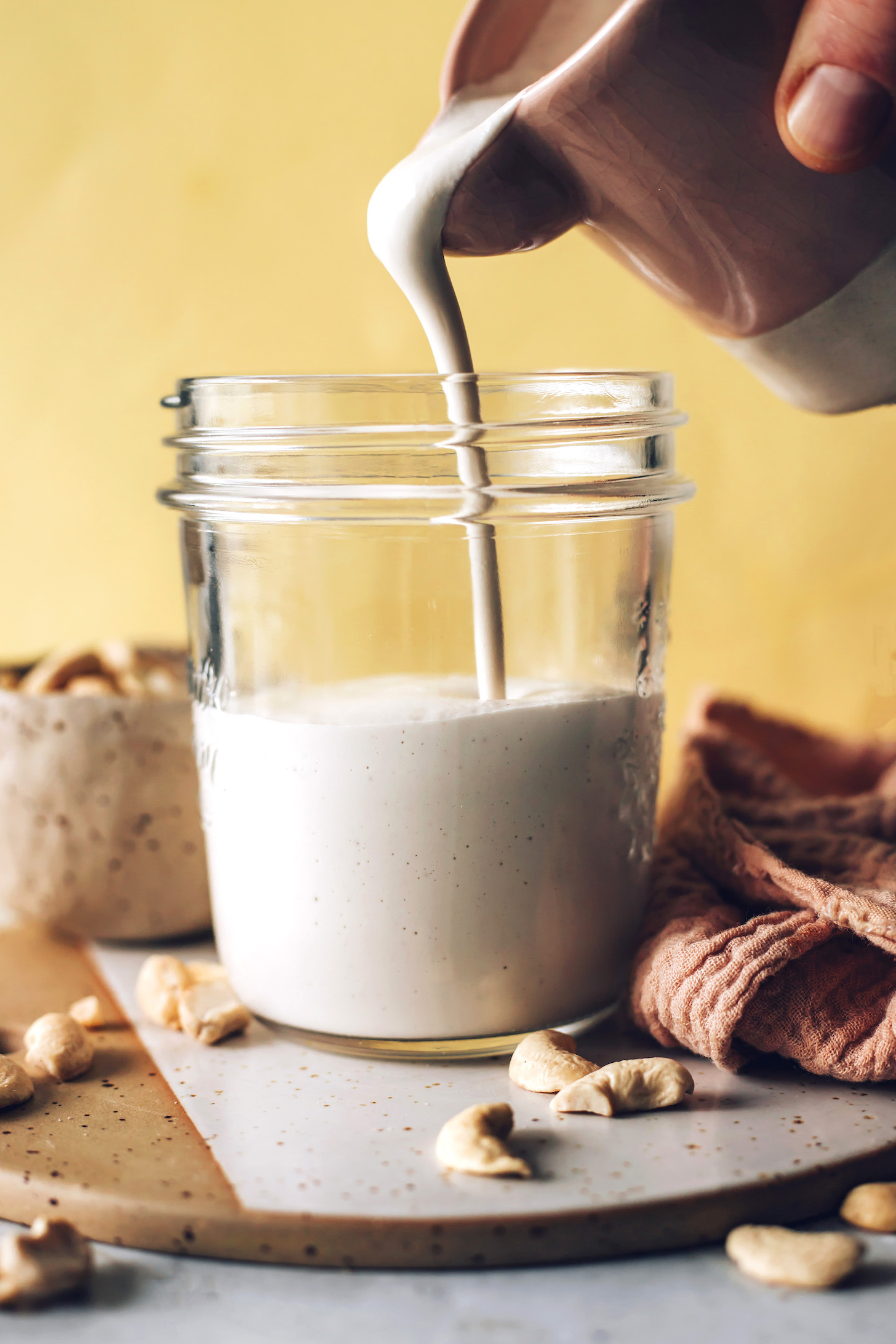
In the vibrant world of plant-based cooking, achieving rich, creamy textures without dairy can often feel like searching for a hidden treasure. Many ingredients promise to deliver, but few succeed with the effortless versatility and neutral flavor profile of a true culinary superstar. Enter dairy-free cashew cream – a game-changer that has revolutionized vegan kitchens worldwide. If you’ve ever wondered how to make cashew cream that’s incredibly smooth, adaptable, and packed with flavor, you’re in the right place.
This simple 4-ingredient recipe will unveil the secrets to creating this luxurious cream, transforming your soups, pastas, desserts, and everything in between into creamy masterpieces. Forget bland alternatives; cashew cream offers a richness and mouthfeel that rivals traditional heavy cream, making it an indispensable staple for anyone embracing a plant-based lifestyle or simply looking for healthier alternatives.
Unlocking Creamy Goodness: What Exactly is Cashew Cream?
At its core, cashew cream is an ingenious plant-based alternative to conventional heavy cream, sour cream, or even some soft cheeses. It’s crafted by blending raw cashews that have been softened through soaking, along with water and a few optional but highly recommended flavor enhancers. The result is a thick, velvety-smooth emulsion that boasts an incredibly neutral flavor profile, making it a chameleon in the kitchen – ready to be seasoned for either savory or sweet applications.
The magic of cashew cream lies in its ability to mimic the texture and richness of dairy cream without any dairy, soy, or coconut. Unlike coconut milk, which often imparts a distinct tropical flavor, or some nut milks that can be too thin, cashew cream offers a remarkable thickness and silkiness that truly elevates dishes. It provides the body, gloss, and satisfying mouthfeel that many vegan alternatives struggle to achieve, making it a go-to secret for chefs and home cooks alike looking to add a touch of decadence to their plant-forward meals.
The Magic Four: Essential Ingredients for Perfect Cashew Cream
While the purest form of cashew cream can be made with just two ingredients – cashews and water – adding a couple of simple extras dramatically enhances its flavor and versatility. These additions provide a subtle tang and balance, mirroring the complex taste profile of traditional dairy cream. Here’s what you’ll need to make cashew cream that truly shines:
Raw Cashews: The Foundation of Creaminess
The undisputed star of our recipe, raw cashews are non-negotiable. It's crucial that they are *raw* and unsalted. Roasted cashews, while delicious for snacking, will not yield the same creamy texture or neutral flavor. Their toasted notes would overpower your dishes, and their altered structure prevents them from breaking down into a truly smooth consistency. Look for them in the bulk section of your grocery store or with other nuts and seeds. Store them in an airtight container in a cool, dark place, or even the fridge or freezer to extend their freshness.
Filtered Water: For a Clean Base
The quality of your water can subtly impact the final taste of your cashew cream. While any cold water will work, using filtered water ensures a clean, neutral base, especially if your tap water has a strong mineral or chlorine taste. The amount of water you use will also dictate the final thickness of your cream – less water for a thicker, sour cream-like consistency, and more for a pourable, heavy cream consistency.
A Touch of Tang: Fresh Lemon Juice
This might seem like an unusual addition, but a squeeze of fresh lemon juice is a secret weapon in many plant-based recipes. It introduces a bright, subtle tang that is often present in dairy-based heavy cream, cutting through richness and preventing the cashew cream from tasting flat. It also helps to balance the inherent sweetness of the cashews. If you don't have lemon juice, a tiny splash of apple cider vinegar can work as a substitute, but lemon is generally preferred for its fresh, clean flavor. For sweet applications, you might reduce or omit the lemon.
Pinch of Perfection: Salt
Just like in most cooking, a small amount of salt is vital for seasoning. It doesn't make the cashew cream taste salty, but rather enhances and elevates all the other flavors, bringing a balanced savory note that makes the cream incredibly versatile. A pinch is often all you need, but you can always adjust to your taste preferences.
Mastering the Method: How to Make Cashew Cream at Home
Creating this luscious dairy-free cream is surprisingly simple, though it does require a bit of foresight due to the necessary soaking step. But fear not, we have tricks up our sleeve!
Step 1: The Crucial Soak (and the Fast Track!)
The most important step in achieving truly smooth cashew cream is proper soaking. This softens the cashews, allowing them to break down completely into a velvety consistency when blended. Without soaking, your cashew cream will likely be grainy.
- Standard Method: Place your raw cashews in a bowl and cover them with cold filtered water. Let them soak for at least 4-6 hours, or ideally overnight (8-12 hours). The longer they soak, the softer they become, resulting in an even creamier texture.
- Quick Method (for when you're in a rush!): If you’re short on time, you can quickly soften cashews by placing them in a heat-safe bowl, covering them with boiling water, and letting them soak for just 30 minutes. This significantly cuts down on prep time without sacrificing much of the creaminess.
Ensure the cashews are fully submerged during soaking.
Step 2: Rinse and Prepare
Once your cashews are sufficiently soft, drain them thoroughly and give them a quick rinse under cold running water. This removes any starchy residue or sliminess from the soaking water, ensuring the freshest flavor for your cream.
Step 3: Blend to Velvety Perfection
This is where the magic happens! Transfer the soaked and rinsed cashews to a high-speed blender. This equipment is key; a powerful blender is essential for achieving that ultra-smooth, professional-grade texture. Food processors, while versatile, often struggle to create the fine, grit-free consistency we're aiming for.
Add the fresh filtered water, lemon juice, and salt to the blender with the cashews. Start blending on low, then gradually increase the speed to high. You’ll need to blend for several minutes, sometimes pausing to scrape down the sides of the blender with a spatula, until the mixture is completely smooth and no cashew bits remain. The longer you blend, the creamier it will become. If your blender is struggling, you can add a tiny bit more water, a tablespoon at a time, to help it along.
Step 4: Ready to Use!
Once your cashew cream is perfectly smooth, it's ready to transform your dishes. You can use it immediately or store it. Transfer any unused cashew cream to an airtight container and refrigerate it for up to 4-5 days. It may thicken slightly in the fridge; simply whisk in a splash of water if you need to thin it out before use.
Versatility Unleashed: Endless Ways to Use Your Dairy-Free Cashew Cream
The beauty of cashew cream lies in its incredible adaptability. Its neutral base allows it to seamlessly integrate into an astonishing array of recipes, making it a true kitchen hero for anyone seeking dairy-free alternatives. The general rule of thumb is: if a recipe calls for heavy cream, sour cream, or even a thick yogurt, cashew cream can often step in beautifully (with the exception of dishes requiring whipped cream, which is a different texture altogether).
Savory Applications:
- Soups and Stews: Stir a dollop into creamy tomato soup, hearty lentil stews, potato leek soup, or rich curries for an instant boost of body and silkiness.
- Pastas and Sauces: Create decadent vegan Alfredo sauce, creamy pesto, or a luscious "cheese" sauce for mac and cheese. It’s also fantastic for enriching pan sauces.
- Dips and Spreads: Form the base for an amazing dairy-free ranch dip, a tangy sour cream alternative for tacos and nachos, or a spreadable vegan cream cheese with added herbs.
- Dressings: Thicken homemade salad dressings like a creamy Caesar or coleslaw dressing.
- Casseroles & Gratins: Add a rich binder to your favorite baked dishes.
Sweet Applications:
When using cashew cream for desserts, you might want to reduce or omit the lemon juice and salt, and instead add a touch of sweetener like maple syrup, agave, or your preferred sugar, along with vanilla extract.
- Puddings and Mousses: Create rich chocolate mousse, fruit mousses, or creamy puddings.
- Cheesecakes: It’s a fantastic base for no-bake vegan cheesecakes, providing the signature creamy texture.
- Smoothies: Blend a tablespoon or two into your morning smoothie for extra richness and protein.
- Coffee & Tea: A spoonful can act as a delicious, thick dairy-free creamer for your hot beverages.
Pro Tip: Don't be afraid to customize your cashew cream! For savory dishes, consider blending in nutritional yeast for a cheesy flavor, garlic powder, onion powder, or fresh herbs. For sweet dishes, a dash of cinnamon, cocoa powder, or almond extract can open up a world of possibilities.
Mastering the art of how to make cashew cream is like unlocking a superpower in your plant-based kitchen. This simple 4-ingredient recipe provides a foundation for endless culinary creativity, offering unparalleled creaminess, versatility, and a clean, neutral flavor profile that adapts to virtually any dish. From enriching hearty soups to crafting delicate desserts, this dairy-free staple proves that delicious, satisfying plant-based cooking is not only possible but incredibly easy and accessible. So grab your cashews, get blending, and prepare to elevate your cooking to deliciously creamy new heights!
